
Bifocals: Types, Frames, Fit & Your First Pair

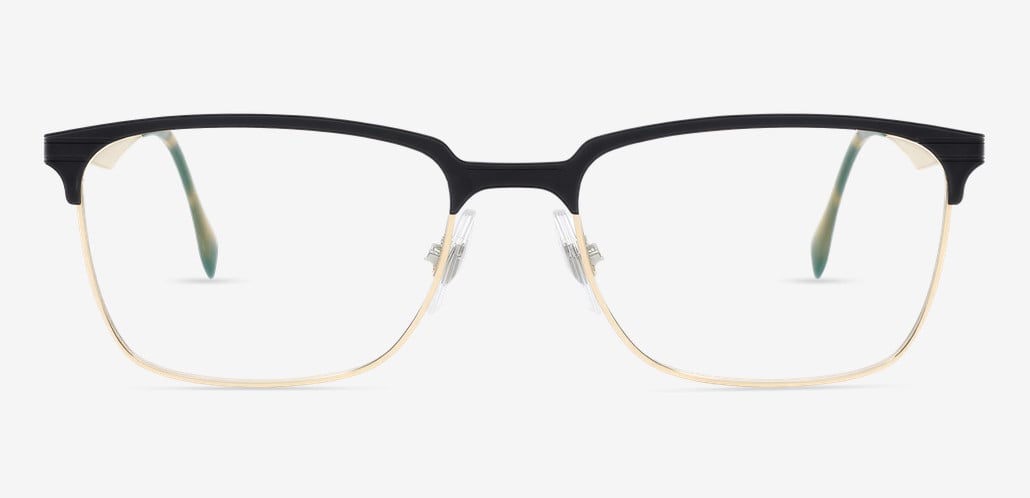
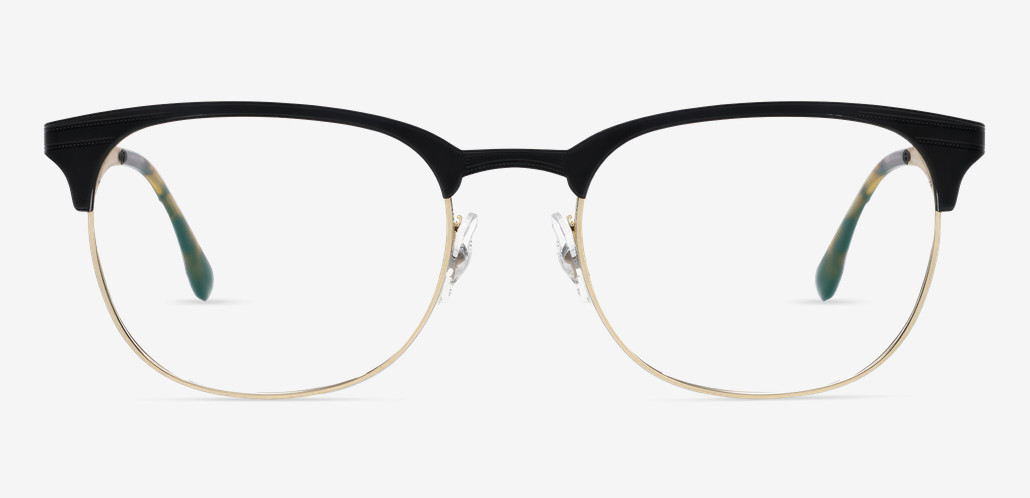

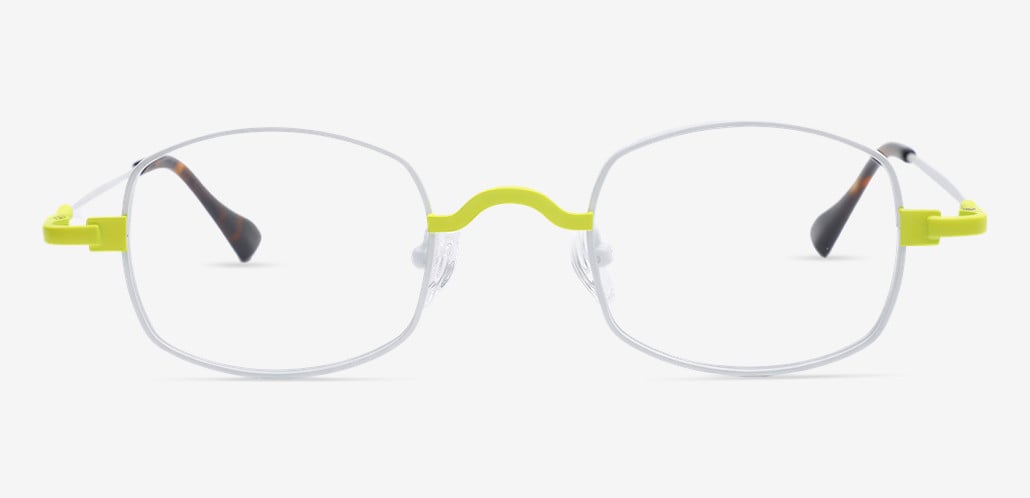


















Bifocals: From First Question to First Pair
Bifocals put two powers in one lens: your distance power across the top and a reading area set into the bottom, split by a visible line. Below, every common bifocals question is sorted in the order people usually ask it, with a short answer and a link to the Aoolia page that covers it in full.Last updated: November 2026 · Aoolia Editorial Team
The Bifocal Path: Five Stops From 'Do I Need Them?' to a Second Pair,Most bifocals questions belong to one of five stops. Find the stop you're at and skip the rest.
Stop 1 · Wondering: What are bifocals, and are they for me?People ask: what are bifocals · what does ADD mean · bifocals or readers,Short answer: Bifocals are lenses with two fixed powers, distance on top and reading at the bottom. If your Rx has a number in the ADD column, your last eye exam already gave you a reading power. Bifocals are one way to wear it in a single pair; separate readers are another.
Stop 2 · Choosing the lens: Which kind of bifocal?People ask: types of bifocals · flat top bifocals · lined vs no-line bifocals · bifocals vs trifocals Short answer: Lined bifocals give two clear zones with a visible edge between them. Trifocals add a third strip for arm's-length tasks. No-line multifocal lenses blend the powers so no edge shows, and they work differently from bifocals.
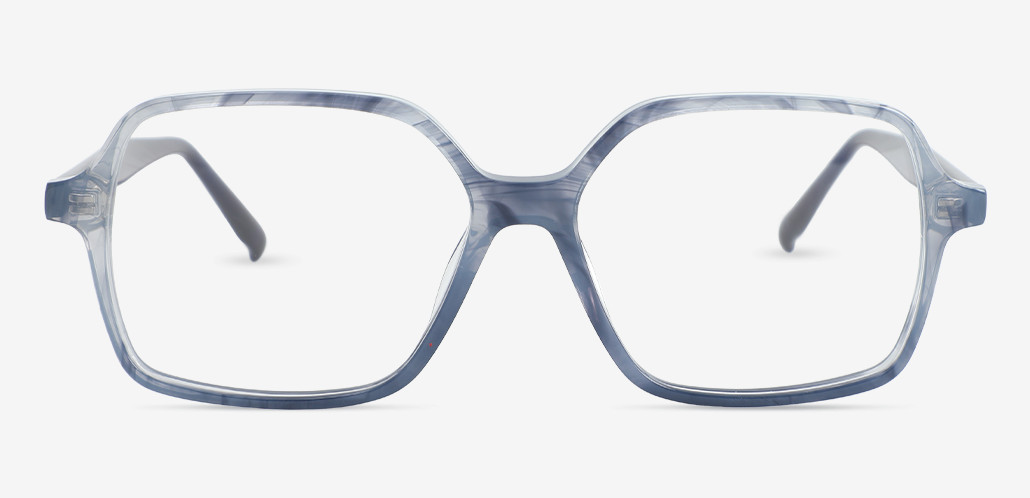
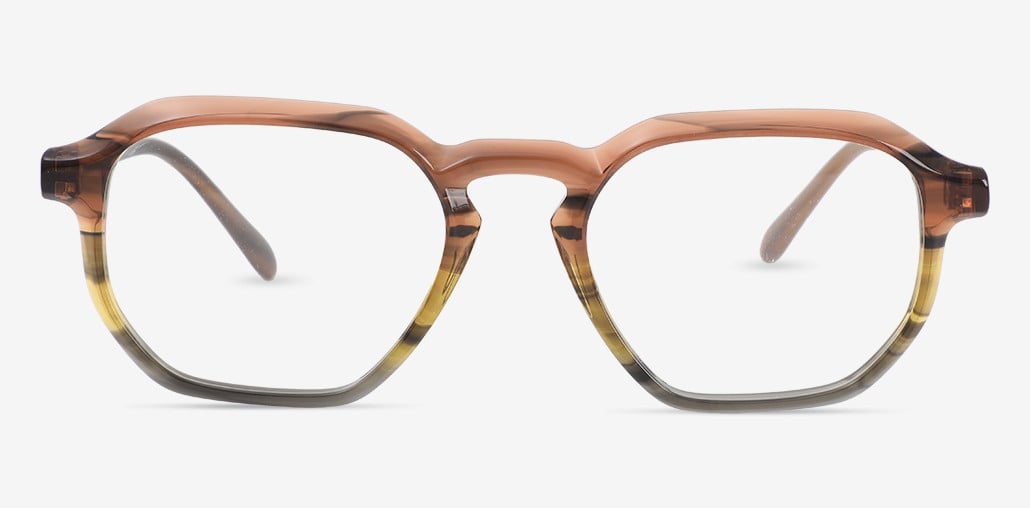
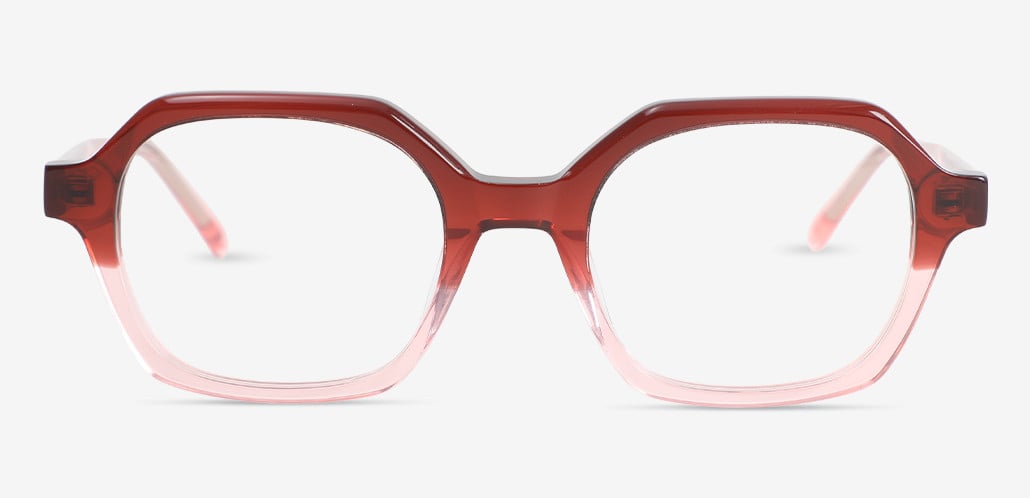
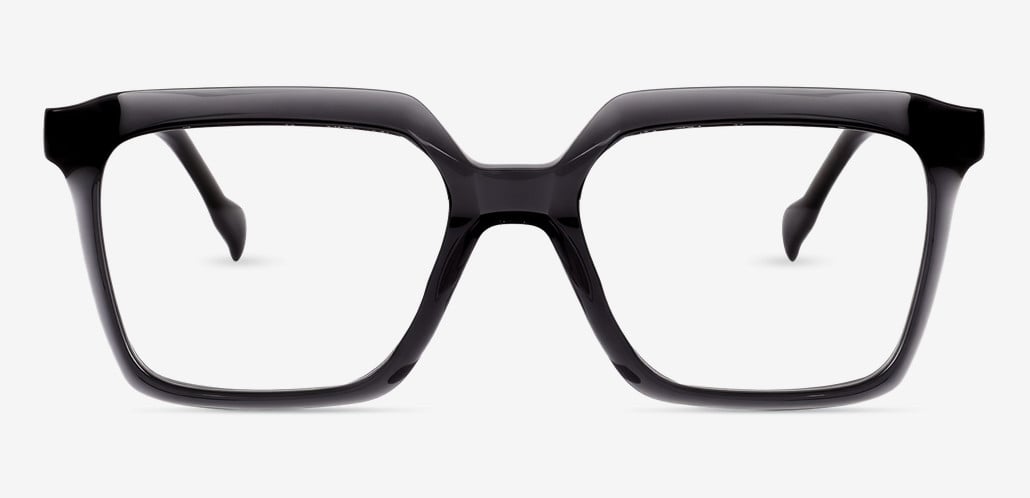
Stop 3 · Choosing the frame: Will bifocals fit this frame?People ask: best frames for bifocals · can any frame have bifocals · bifocal frame size Short answer: The reading area needs room below the line, so lens height matters more than frame shape. A taller lens leaves a deeper band to read through. A very shallow lens can squeeze it.
Stop 4 · Wearing them: How do I get used to bifocals?People ask: how to get used to bifocals · where should the bifocal line be · bifocals on stairs Short answer: Drop your eyes, not your chin, to read through the bottom. Look straight ahead to see over the line. On stairs and curbs, tilt your head down a little more than usual so you look through the top part of the lens. It gets easier with steady wear.Go deeper: Bifocal Words, Decoded (below) explains the line, the jump and the zones.
Stop 5 · Adding a pair: What's the second pair?People ask: bifocal sunglasses · second pair of bifocals · bifocals for outdoors Short answer: Once your everyday pair feels natural, a good second pair is one for outdoors, with the same two zones in a tinted lens.
Bifocal Words, Decoded,The words below show up on Rx cards, product pages and lens menus. Each one changes something you'll see or something you'll choose.ADD. The extra reading power stacked on top of your distance power, written as a plus number such as +1.50. It sets how strong the bottom of a bifocal is.Segment ('seg'). The reading area set into the lower part of the lens. Its shape names the bifocal type: flat top, round or executive.Seg height. How high the top edge of the reading area sits, measured up from the bottom of the lens. It decides how far you look down before the reading power starts.FT-28. Short for flat top, 28 mm wide. The most common bifocal segment size.Distance zone. Everything above the line. This is where you look for the road, the TV and faces across a room.Near zone. Everything below the line. This is where you look for a phone, a menu or a book.The line. The visible edge where the two powers meet. It's a physical edge in the lens, which is why other people can see it too.Image jump. The quick hop an object seems to make as your eyes cross the line. It's smallest in flat-top designs because their reading area's optical center sits close to the line.Lined vs no-line. Lined means a bifocal or trifocal with a visible edge. No-line means a multifocal lens that changes power gradually, with no edge to see.Readers. Glasses with one reading power across the whole lens. Great up close, blurry when you look across the room, which is the gap bifocals close.
Read More