
2026 New Year's Glasses: A Wearer's Guide From the Countdown to January 1
Which number belongs on your party pair this year, how to wear one over prescription lenses, and the handful of moments between the countdown and New Year's Day when glasses actually let people down.
Type 2026 new years glasses into a search bar this fall and you get two kinds of results: glitter number frames left over from last December, and "new year, new frames" roundups. Neither touches the questions people actually have on the night. What should the glasses say? Will they fit over the pair you need to see? Why does everything fog at 12:02? And what happens to the money set aside for glasses when the calendar turns?
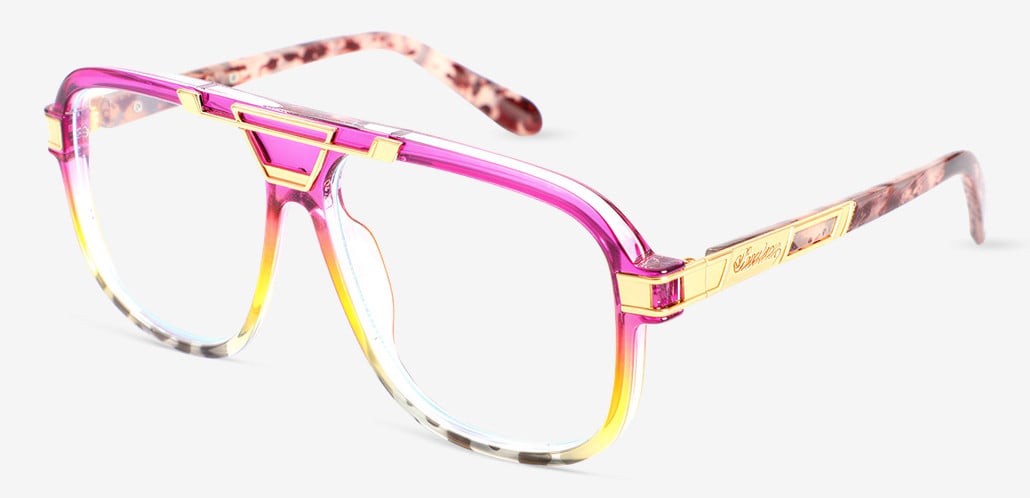
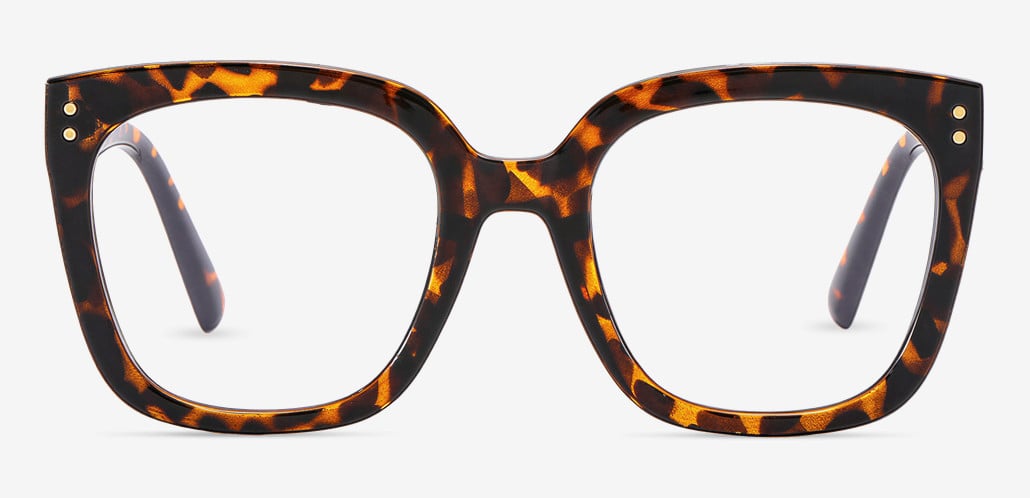
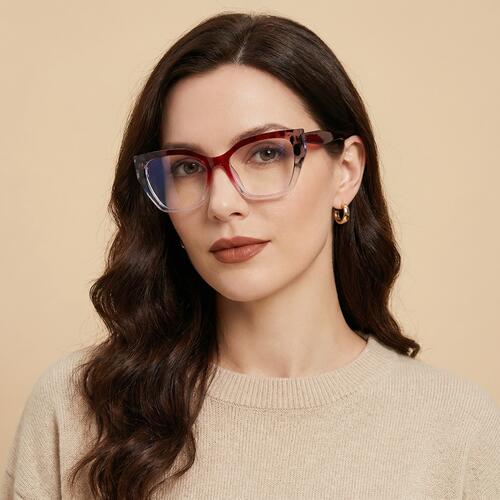
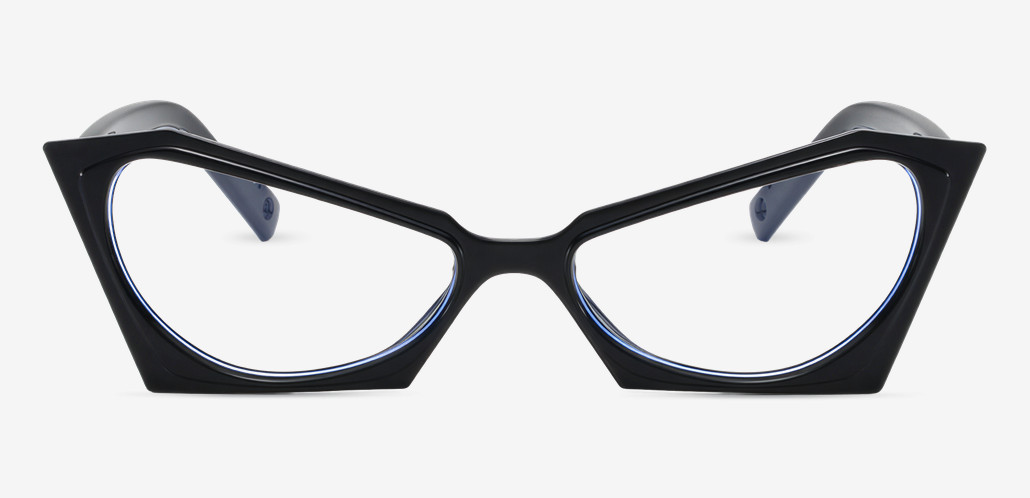
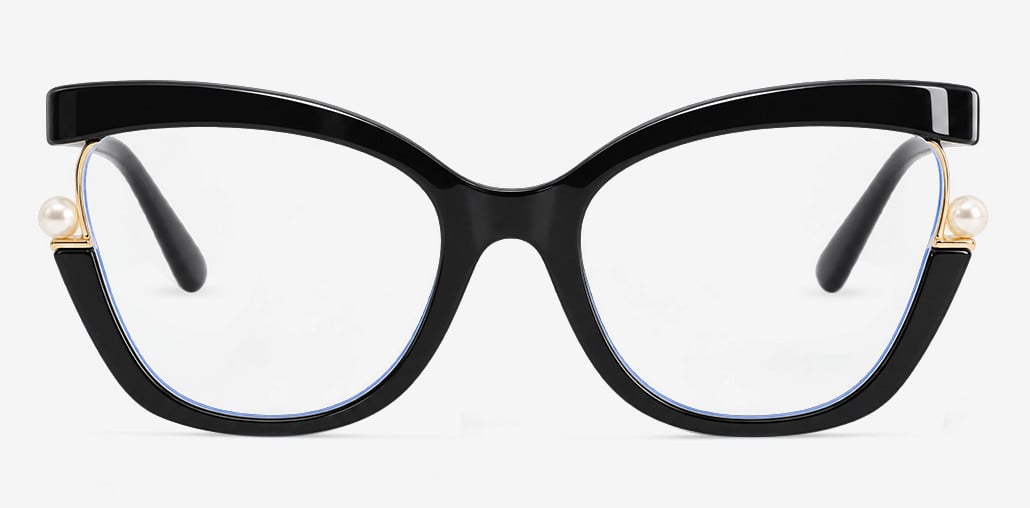
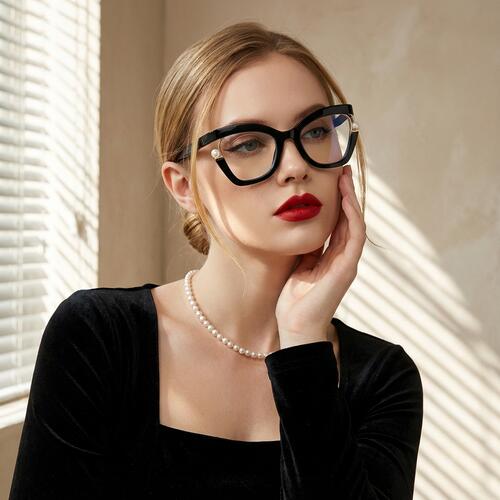
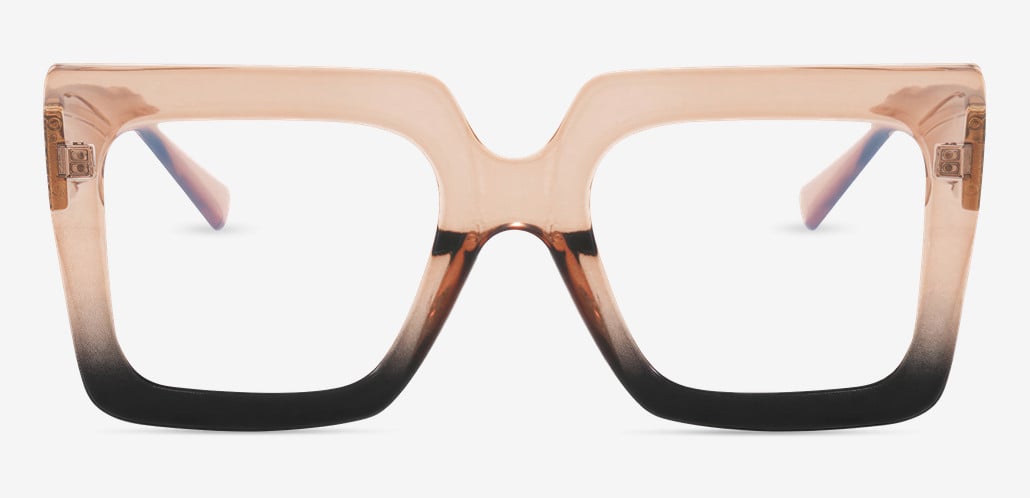
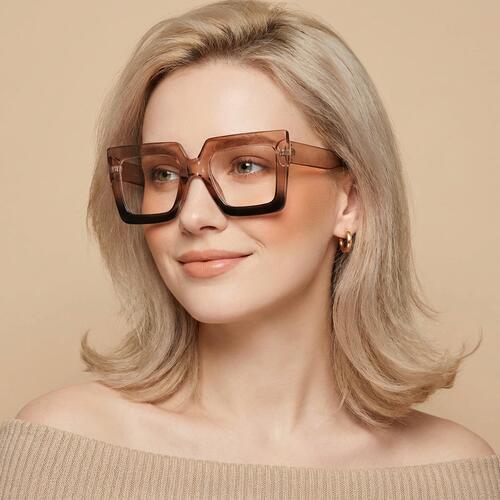
This guide takes those in the order you'll run into them. One note before the party starts: the night ends in daylight. If you're hiking, driving or standing on a parade route on January 1, the pair that matters most that day is a sunglass. And if you'd rather skip plastic props altogether, our edit of real 2026 new years glasses collects frames you can wear to the party and still wear to work on January 2.
The short version
- For the party on Thursday, December 31, 2026, the midnight number is 2027. Glasses printed "2026" belong in the before-midnight photo.
- Novelty frames are built for a bare face. If you wear prescription glasses, pick one of four setups before the night, not at the door.
- Fog after an outdoor countdown is close to certain: in a 68–72°F room, any lens colder than roughly 35–57°F will mist, depending on humidity.
- Party glasses, everyday prescription glasses and fashion sunglasses are not safety eyewear. For fireworks, look for a Z87+ mark.
- If your health FSA runs on the calendar year, unspent 2026 dollars face a December 31 deadline, softened only by a carryover (up to $680) or a grace period, never both.
First, which year goes on the glasses?
New Year's Eve happens in the old year and celebrates the new one, so "New Year's 2026" can point to two different nights. Venues, store listings and group chats mix them freely, which is why anyone shopping for 2026 New Year's glasses this fall should settle the date first.
| You're planning for | Date | Number at midnight | What to know |
|---|---|---|---|
| This December's New Year's Eve party | Thu, Dec 31, 2026 | 2027 | Plenty of venues still bill it as "NYE 2026." The props should say 2027. |
| New Year's Day brunch, hike or game | Fri, Jan 1, 2027 | 2027 | A daylight event. Sunglasses do more work than props. |
| Last year's party (already happened) | Wed, Dec 31, 2025 | 2026 | Where most "2026" number glasses still for sale came from. |
| Lunar New Year | Sat, Feb 6, 2027 | Goat | 2026 was the Year of the Horse. Horse-themed "2026" sets are last cycle's. |
Don't toss it. Wear it for the 11:55 p.m. photo, swap to 2027 after the ball drops, and you've got a before-and-after shot for the price of one pack.
Why 2027 glasses look different from 2026 ones
Number glasses usually put your eyes inside the closed loops of the digits. "2026" is generous: the 0 and the 6 each have one. "2027" has only one closed loop, the 0. Designers have to invent the second eyehole somehow, whether that's a ring tucked into the curve of a 2, an oversized 0 split into two lenses, or the digits lifted above the eye line with plain rings underneath. Every layout lands the openings somewhere different, which is why a 30-second check is worth doing before you hand out a pack of ten.

The Wink Test
- Put the glasses on and face a mirror at arm's length.
- Close your left eye. Your right eye should be looking through an opening, not at the back of a digit.
- Switch eyes. If either one lands on plastic, you'll spend the night tilting your head for every photo.
One size rarely fits a whole group. Adult pupil distance commonly falls somewhere between about 2.1 and 2.9 inches (54–74 mm), and kids' is narrower, so a pair that lines up for one guest can block half the view for the next.
Wearing party glasses when you need prescription lenses
This is where most guides stop and most wearers struggle. Put novelty frames over real glasses and three things happen: the prop sits farther from your face, so it slides; its temples press your own frame's arms into the side of your head; and the plastic rim rubs against coated lenses every time you laugh. There are four setups that hold up for a whole night.
| Setup | Works best when | Watch out for |
|---|---|---|
| 1. Props over your glasses | Your frame is slim and the novelty openings are clearly bigger than your lenses. | The prop's rim scuffing your lens coating, and the whole stack drifting down your nose by 11 p.m. |
| 2. Swap for photos only | You can't comfortably walk around a crowded room without your prescription. | Where your real glasses go for those 20 seconds. A hard case in a zipped pocket beats an open coat pocket in a crowd. |
| 3. Contacts for the night | You already wear contacts comfortably and often. | Glitter and confetti. Pack your glasses and a lens case, and take daily-wear lenses out before you sleep, however late it gets. |
| 4. Make your real glasses the party pair | You want one thing on your face from getting dressed to getting home. | Picking a frame you won't want on January 2. More on that below. |
If you're leaning toward setup 1, do a quick hold-up check first: stand at the mirror wearing your glasses and hold the novelty pair just in front of them, not on your ears. If the edges of your own lenses show inside the openings, they'll show in every photo.
The after-dark run sheet: Dec 31, 7 p.m. to Jan 1, midday
Glasses don't fail at random on New Year's Eve. They fail at the same few moments, roughly in this order.
- 7:00 p.m.
Getting ready
Hairspray, setting spray and loose body glitter settle on lenses as a film you won't notice until a spotlight hits it. Take your glasses off while you spray. If they're already coated, rinse them under lukewarm water, add one drop of plain dish soap (no lotion), rinse again and dry with a clean microfiber cloth.
Glitter gets its own rule: rinse before you wipe. Dragging hard, sharp-edged particles across a coated lens is exactly how fine scratches start.
- 9:30 p.m.
The flash photos
Lens reflections show up as white blobs where your eyes should be. Lift the arms of your glasses a few millimeters above your ears so the lenses tip slightly downward, and the reflection drops out of the camera's line. Turning the phone flash off and shooting in room light helps too.
- 11:40 p.m.
Outside for the countdown
Nothing goes wrong yet. Your lenses are just quietly cooling to outdoor temperature, which sets up the fog twenty minutes from now.
- 12:00 a.m.
Confetti, toasts and corks
Times Square alone hand-tosses about 3,000 pounds of confetti at midnight, and house parties do their best to keep up. Contact wearers: if something gets under a lens, don't rub. Take the lens out with clean hands and rinse. Pain, light sensitivity or blurry vision that doesn't settle is a reason to see an eye doctor that night, not after the holiday.
Then there's the bubbly. The American Academy of Ophthalmology has warned that a champagne cork can leave the bottle at about 50 mph. Chill the bottle to 45°F or colder, don't shake it, aim it about 45 degrees away from everyone (yourself included), keep a towel over the cork and twist the bottle rather than the cork.
- 12:05 a.m.
Back inside: total fog
Cold lenses meet warm, breath-filled air. The section below explains when it happens and how to shorten it.
- 12:20 a.m.
Backyard fireworks
The neighbors start their own show. Nothing on most people's faces at this point counts as eye protection; see the fireworks section.
- 1:30 a.m.
The ride home
No tinted lenses and no novelty "shades" after dark, whoever is driving. Smudged lenses smear oncoming headlights into streaks, so give your glasses a 20-second clean before you get in the car.
- Jan 1, late morning
The first walk of the year
A low sun, sometimes snow, often a long stretch facing south. This is the most underrated eyewear moment of the whole holiday, covered below.
The Fog Line: when your lenses will mist
Fog is condensation. Every room has a dew point, the temperature at which its air starts dropping water onto surfaces. Walk inside with lenses colder than that number and they mist instantly. The table shows where that line sits in an ordinary heated home.
| Indoor humidity | Room at 68°F | Room at 72°F |
|---|---|---|
| 30% (dry winter air) | 35°F | 39°F |
| 40% | 43°F | 46°F |
| 50% | 49°F | 52°F |
| 60% (packed, steamy room) | 54°F | 57°F |
Any lens colder than the number in its cell will fog. Values calculated with the Magnus dew-point approximation and rounded to the nearest degree.
Spend twenty minutes outside on a 30°F night and your lenses end up below every number in that table. A room full of people, cooking and conversation also tends to run more humid than the same room empty, which pushes the line higher. So fog isn't a maybe. The only question is how quickly it clears.
- Warm them on the way in. If you can manage without them for a minute or two, slip your glasses into an inside pocket close to your body before you reach the door. A lens that's warmer than the room's dew point stays clear.
- If they fog anyway, wait. The film disappears on its own as the lens warms, often within a minute or so. Wiping just smears water across the coating, and a scarf or shirt hem adds lint and grit.
- Test anti-fog products early. Sprays and pre-treated cloths leave a thin layer that lets moisture spread flat instead of beading. Check that the label says it's safe for anti-reflective coatings, and try it a few days ahead, not at 11:58 p.m.
- Mind the scarf. A scarf or gaiter pulled over the nose sends warm breath straight up behind your lenses outdoors. Fold the top edge down or press it snug under your nose pads.
Fireworks: what actually counts as eye protection
According to the U.S. Consumer Product Safety Commission, an estimated 13,000 people were treated for fireworks injuries in 2025, and 15 died. Hands and fingers took the largest share of injuries at 35%, with the head, face and ears next at 22%. Burns were the most common injury type. Those figures cover the whole year, and New Year's Eve is one of the few other nights when backyard displays cluster.
Novelty glasses have open eyeholes or thin decorative plastic. Everyday prescription glasses meet the FDA's impact-resistance rule for eyewear, but that is not the same standard as safety glasses built for flying debris. Fashion sunglasses are in the same category as your everyday glasses.
What does count is safety eyewear marked to the ANSI/ISEA Z87.1 standard. Look for the mark on the frame and lenses: Z87 means basic impact rating, Z87+ means high-impact rated, and prescription safety lenses carry a Z87-2 marking. If you wear glasses and don't own prescription safety eyewear, over-the-glasses safety goggles sized to cover your frame are the practical stopgap. Whoever lights the fuse should be wearing them. For everyone else, distance does more than any lens.
New Year's Day: the sun that sits at eye level
January 1 is a daylight holiday in much of America. America's State Parks runs more than a thousand First Day Hikes across all 50 states, a tradition that started in 1992 at Blue Hills Reservation in Massachusetts. Add parade routes, outdoor bowl-game tailgates and polar plunges, and a lot of people spend the first afternoon of the year staring into a sun that barely clears the trees.
| Latitude | Example cities | Noon sun, Jan 1 | Noon sun, late June |
|---|---|---|---|
| 30°N | Houston, New Orleans | 37° | 83° |
| 35°N | Memphis, Albuquerque, Charlotte | 32° | 78° |
| 40°N | Philadelphia, Columbus, Denver | 27° | 73° |
| 45°N | Minneapolis, Portland (OR) | 22° | 68° |
Degrees above the horizon at solar noon, calculated from latitude and the sun's seasonal position.
Even at its highest, the New Year's Day sun sits lower than a summer sun in mid-afternoon. Cap brims and car visors stop blocking it sooner, and any trail or road that runs south points you straight at it. Snow makes it worse: the World Health Organization puts fresh snow's reflection at up to about 80% of UV, so light arrives from below as well as above. Wet pavement and open water add their own glare.
That reflected glare is what polarized lenses are designed to cut. They filter the light bouncing off flat surfaces like roads, lakes and snowfields; they don't make the sun itself any dimmer than the tint already does. If you're buying a pair to start the year with, polarized lenses are worth it for snow, water and wet roads. Our 2026 new years glasses edit is a quick place to start a shortlist, and if you wear a prescription, check each frame's lens options before you order.
Dark novelty lenses from a party pack aren't sunglasses. If the label doesn't state UV400 or compliance with ANSI Z80.3, treat them as props. A dark lens with no UV filter makes your pupils open wider while letting the UV through.
The Calendar Flip: what resets for your glasses at midnight
Midnight also flips a few accounts that pay for glasses. Before you order anything in December, work out which of these applies to you. Your plan documents are the final word; this is the general shape of the rules.
| Money or document | At the turn of the year | What to do in December |
|---|---|---|
| Health FSA, calendar-year plan, no extras | Unspent 2026 money is forfeited (you may still have a short run-out window to submit receipts for earlier purchases). | Prescription eyeglasses and prescription sunglasses are typically eligible; non-prescription fashion frames generally aren't. Buy before Dec 31 and keep an itemized receipt. |
| Health FSA with carryover | Up to $680 of unused 2026 money rolls into 2027 under the IRS limit. Your employer can set a lower cap. | Spend whatever sits above the cap. Check whether you have to re-enroll for 2027 to keep the carryover. |
| Health FSA with grace period | You get up to 2½ extra months, to about mid-March 2027, to make eligible purchases. | No December 31 rush. A plan can offer a grace period or a carryover, not both. |
| HSA | Nothing. The balance stays yours from year to year. | No deadline pressure at all. |
| Vision plan frame and lens allowance | Resets on the plan's own schedule: some by calendar year, others 12 or 24 months after your last use. | Find the word "frequency" in your benefits summary. Calendar-year and unused? Use it by Dec 31. Already used? The new allowance may open Jan 1. |
| Your written prescription | Has its own expiration date, commonly one to two years depending on your state and prescriber. | Check the date before ordering online; many retailers ask for a current prescription. Under the FTC's Eyeglass Rule, your eye doctor must give you a copy after your exam. |
When your real glasses are the party pair
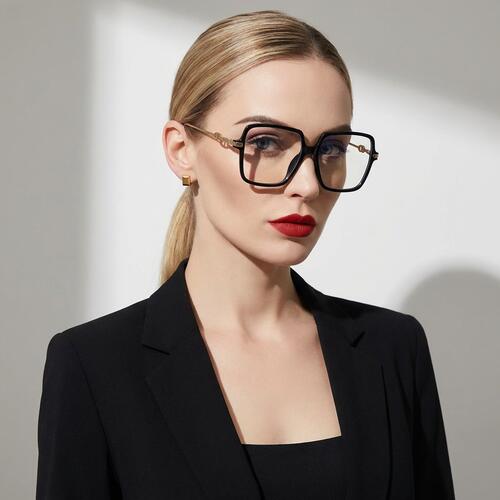
Setup 4 from earlier is the one that saves the most hassle, as long as the frame works under party lighting and still makes sense when you're back at your desk on January 2. Here's what to look for.
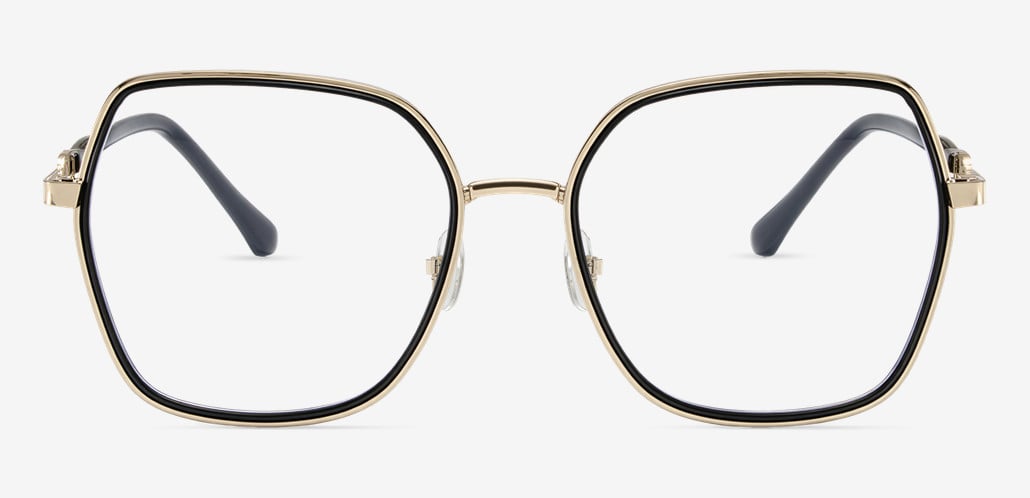
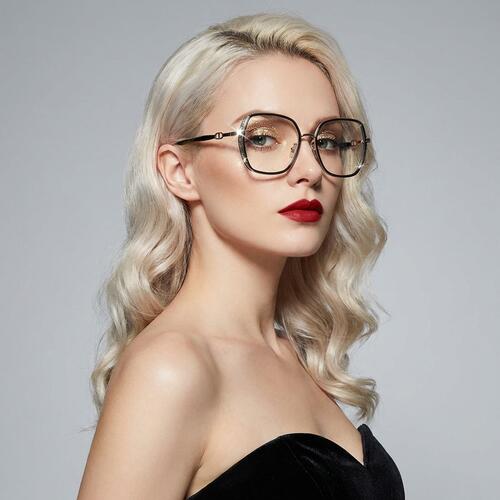
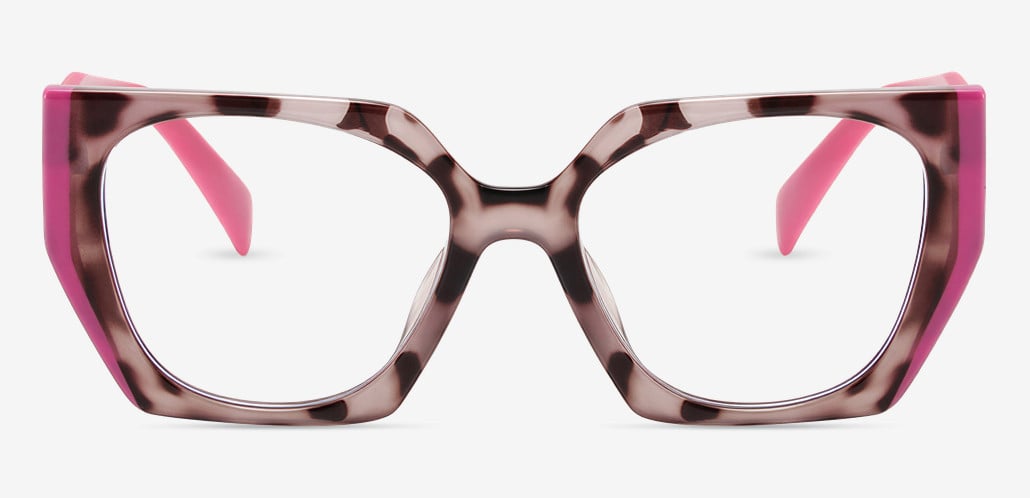
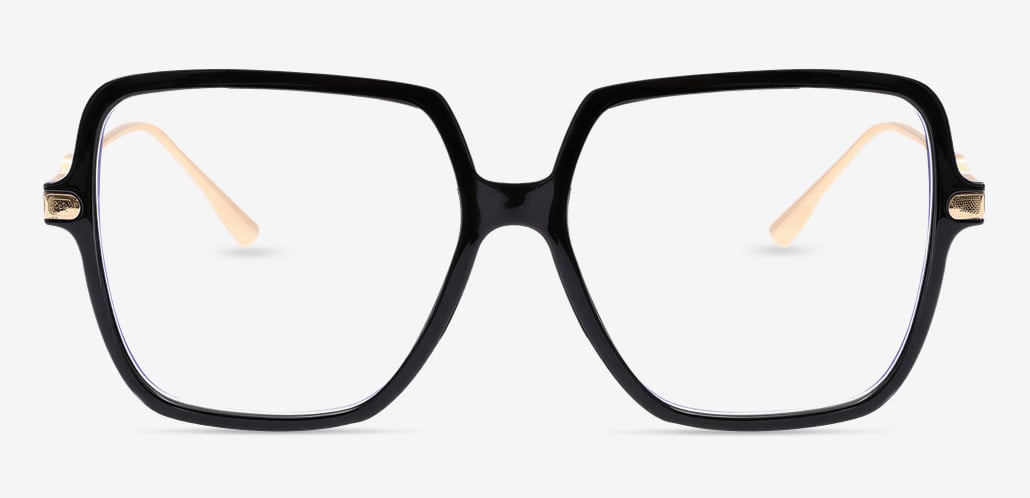
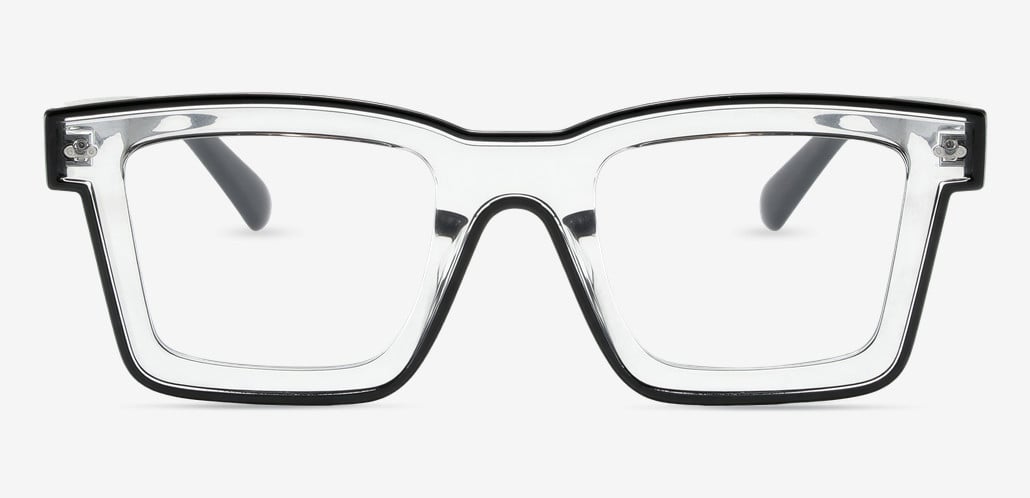
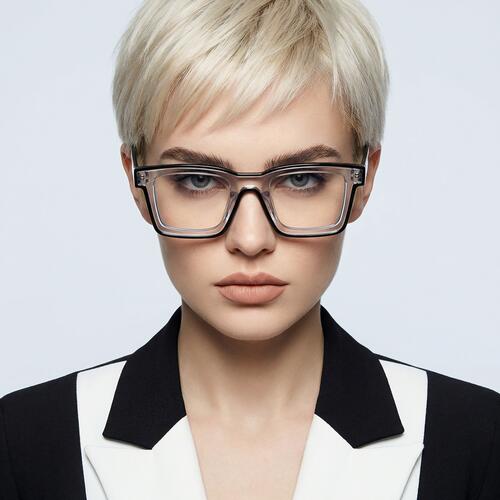
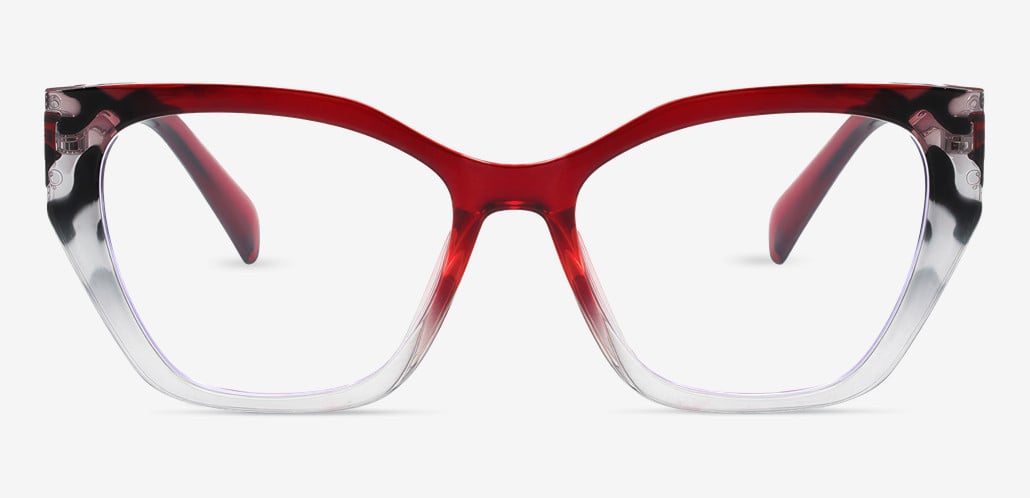
Finishes behave differently after dark. Polished gold or champagne-toned metal catches candlelight and string lights from across a room. Matte black tends to disappear in dim light and in photos. Clear and crystal acetate pick up whatever colored lights are around, which suits a dance floor. Glitter or speckled acetate sparkles up close but reads as a single solid color from a few steps away, so choose it for the base color, not the sparkle.
The lens matters more at night than it does at noon. Every lamp, candle and phone screen at a party is a potential reflection in photos, which is where an anti-reflective coating earns its keep.
Try it on with the actual outfit. Run the virtual try-on while wearing the top or jacket you plan to wear, in the room lighting where you'll be. A frame that looks great against a white T-shirt at your desk can vanish against a black velvet blazer.
Order early. Prescription glasses are made to order, and December shipping is the slowest of the year. Check the processing and delivery estimate on the product page, and aim to order in the first half of December rather than the week before Christmas. If you have FSA dollars that expire on December 31, this is also the cleanest way to use them on something you'll wear all year.
Quick answers
What year should New Year's Eve glasses say this year?
For the party on December 31, 2026, the glasses should say 2027, because that's the year you're counting down to. Glasses printed "2026" were made for last year's party, though they still work for a before-midnight photo.
Can you wear New Year's novelty glasses over prescription glasses?
Sometimes. It works when your frame is slim and the novelty openings are larger than your lenses. Hold the novelty pair in front of your glasses in a mirror: if your lens edges show inside the openings, swap for photos or wear contacts instead.
Do party glasses protect your eyes from fireworks or confetti?
No. Novelty glasses have open eyeholes or thin decorative plastic. For fireworks, the person lighting them should wear safety eyewear marked Z87+ (or over-the-glasses safety goggles if they need a prescription).
Why do my glasses fog when I come inside after the countdown?
Your lenses cooled below the room's dew point while you were outside. In a 68–72°F home, that point usually sits somewhere between 35°F and 57°F depending on humidity. Warming your glasses in an inside pocket before walking in, or simply waiting a minute, clears it.
Can I spend leftover FSA money on glasses before December 31?
Prescription eyeglasses and prescription sunglasses are typically eligible health FSA expenses. Whether December 31 is a hard deadline depends on your plan: it may offer a carryover of up to $680 into 2027 or a grace period of up to 2½ months, but not both.
Your New Year's Eve eyewear checklist
- Confirm the number: 2027 for the night of December 31, 2026.
- Run the Wink Test on the party pack before you hand it out.
- Choose your Stack Decision setup if you wear a prescription.
- Pack a microfiber cloth and a hard case in your coat.
- Put Z87+ eyewear next to the fireworks, not in the garage.
- Check your FSA type and vision-plan frequency before December 31.
- Pack sunglasses for January 1 daylight, polarized if you'll be near snow, water or wet roads.
- Rather skip the props? Shortlist a real pair from our 2026 new years glasses edit by early December.
How this guide was put together
Written by the Aoolia Editorial Team. Injury, benefits and event figures come from the public sources listed below. Two sets of numbers were calculated for this article: dew points use the Magnus approximation (coefficients 17.62 and 243.12°C), and noon sun heights use 90° − latitude + solar declination, taking −23.0° for January 1 and +23.4° for late June. This guide is general information, not medical or tax advice. For an eye injury, contact an eye doctor or emergency care; for FSA questions, your plan administrator has the final say.
- U.S. Consumer Product Safety Commission, Fireworks Injuries & Deaths, 2025 data (2026).
- American Academy of Ophthalmology, news release on champagne cork eye injuries and safe opening (2012).
- IRS Revenue Procedure 2025-32 (2026 health FSA limits); IRS Notice 2013-71 (carryover or grace period); IRS Publication 502.
- World Health Organization, ultraviolet radiation fact sheet (surface reflectance).
- America's State Parks, First Day Hikes program information (2025–2026).
- Times Square Alliance and local New York reporting on the midnight confetti drop (December 2025).
- Royal Museums Greenwich, Lunar New Year dates and zodiac animals.
- ANSI/ISEA Z87.1, occupational and educational eye and face protection, marking requirements.
- U.S. Food and Drug Administration, 21 CFR 801.410 (impact resistance of eyeglass and sunglass lenses).
- Federal Trade Commission, Ophthalmic Practice Rules (Eyeglass Rule), 16 CFR Part 456, as amended 2024.