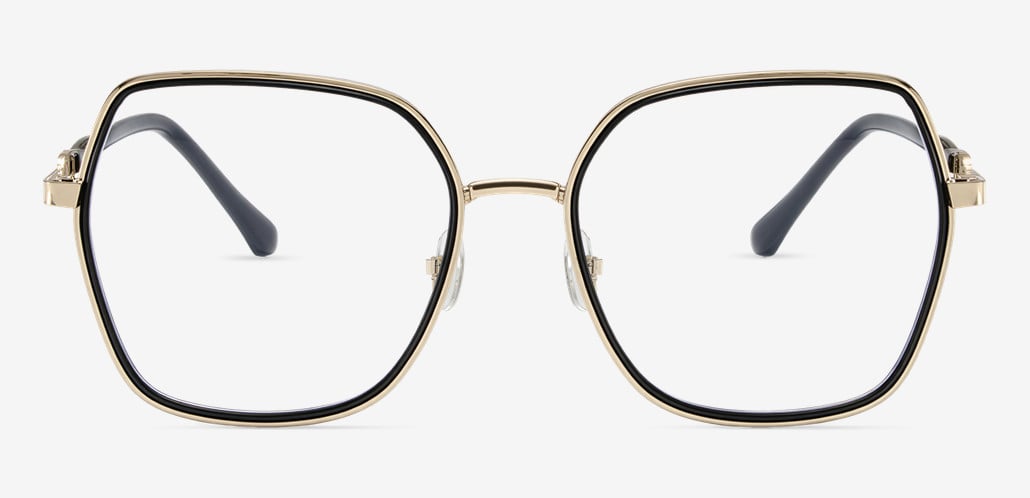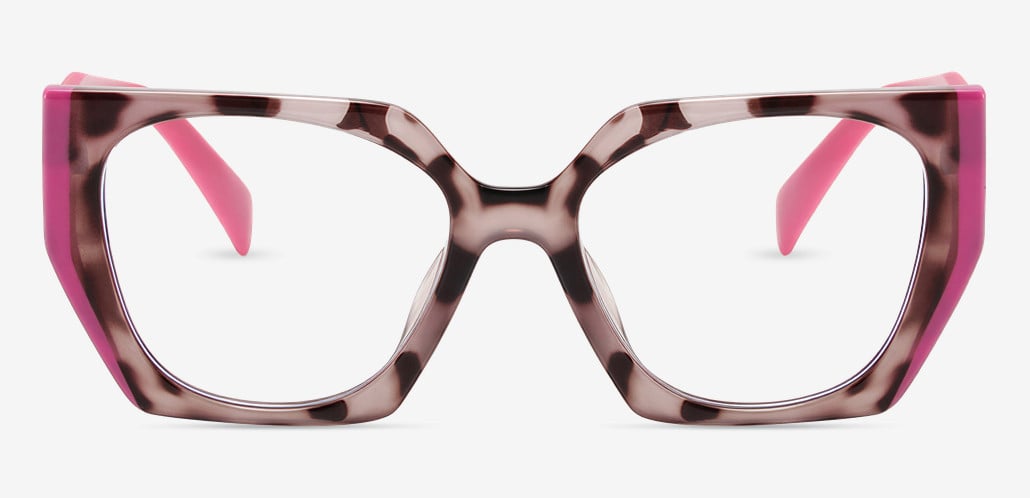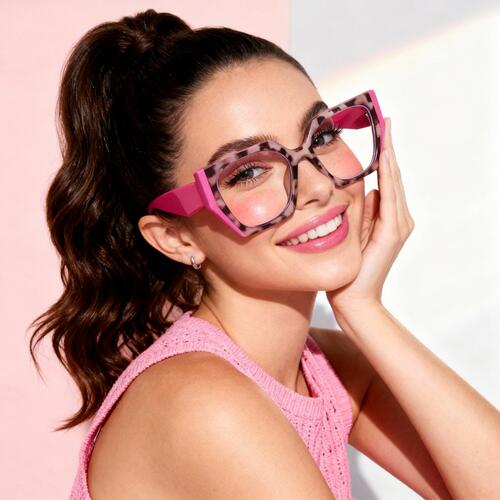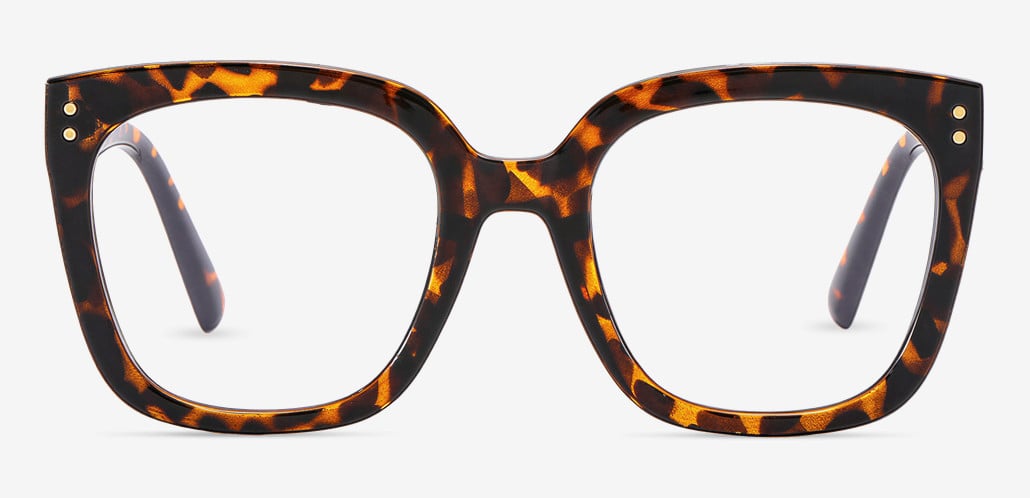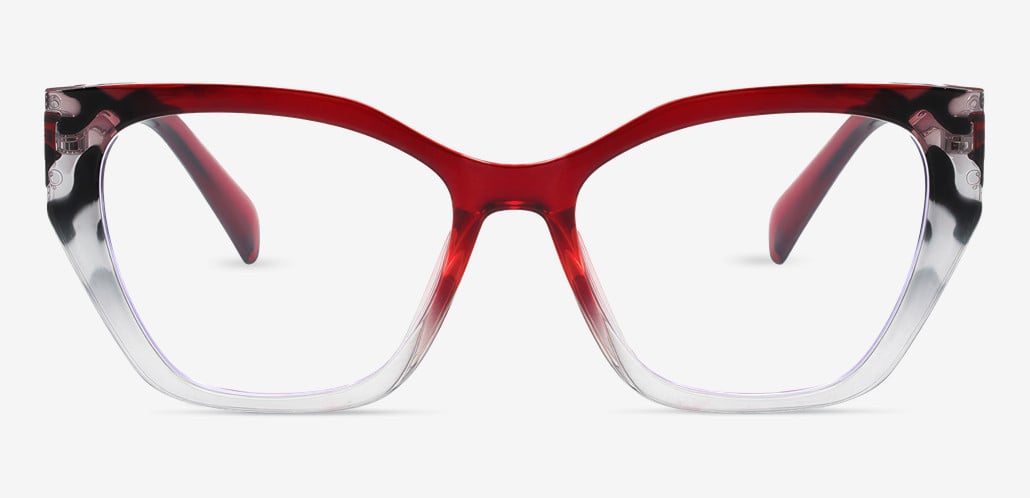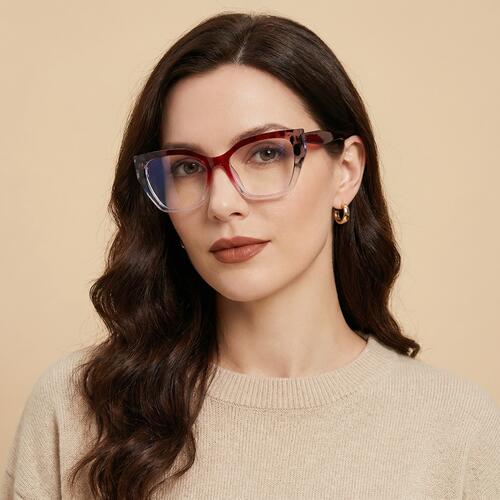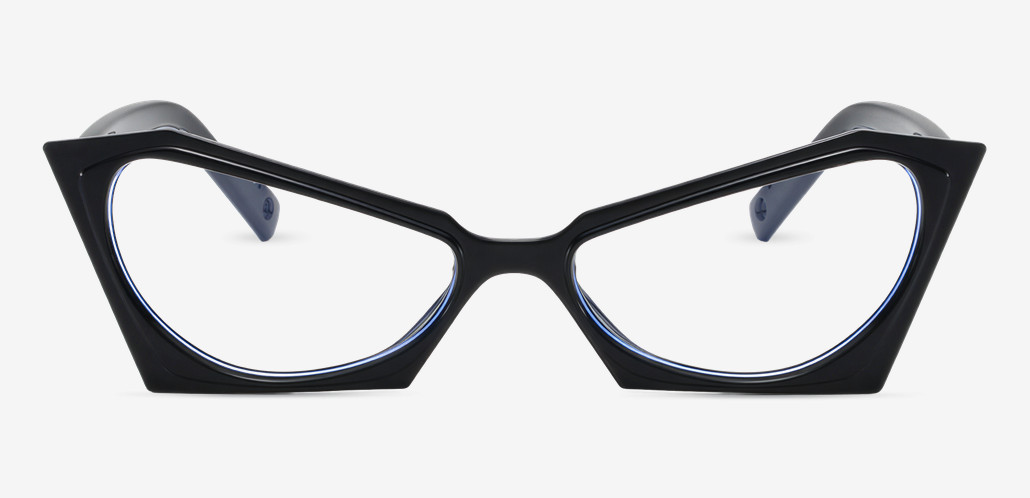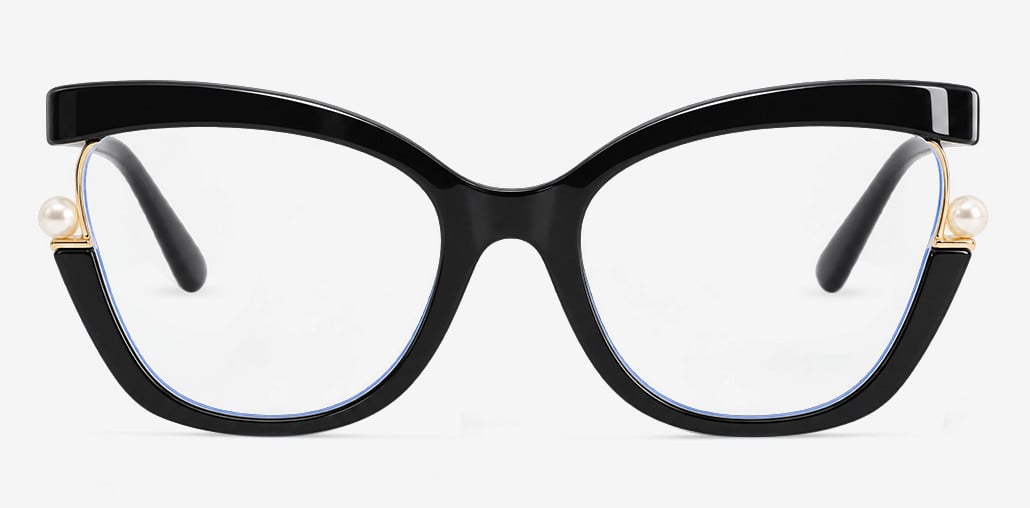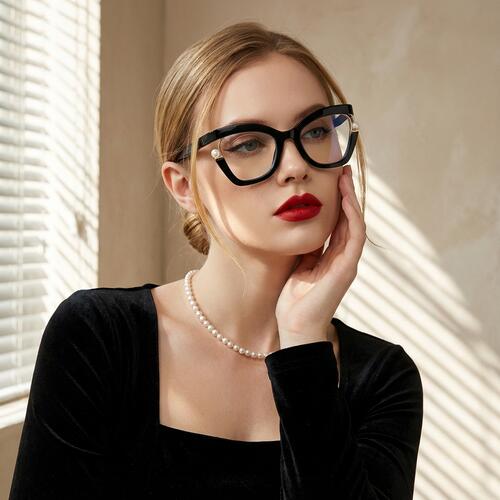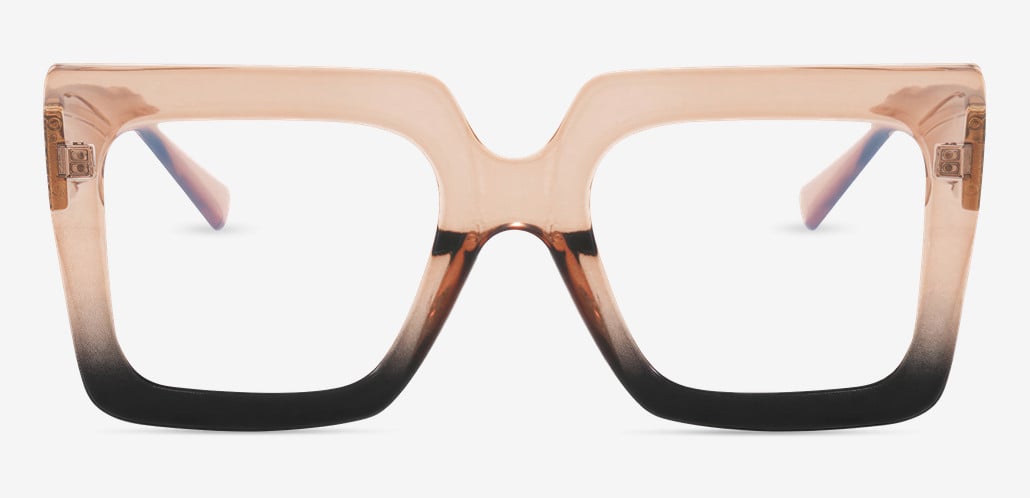

Cheap Prescription Eyeglasses: Decide How You'll Own Them Before You Pick a Frame
A lower price changes more than the receipt. It changes how many pairs you can have, how long you keep each one, and what happens when one goes missing. Here's how to work out the ownership style that fits your life, and how to shop for it.
Most advice about cheap glasses stops at one question: are they good enough? That's a fair question, but it skips a bigger one. When a pair costs a fraction of what you're used to paying, you're no longer buying "your glasses." You're choosing a way to own glasses.
Some people wear one great-fitting pair for years. Some keep three in rotation and never have to hunt for one. Others buy a simple, fresh pair whenever their numbers change and don't think twice. All three plans can run on Cheap Prescription Eyeglasses. Each one, though, calls for different frames, different habits, and a different idea of what "worth it" means.
This guide helps you figure out which plan you're living right now, using four facts from the last two years. No predictions needed.
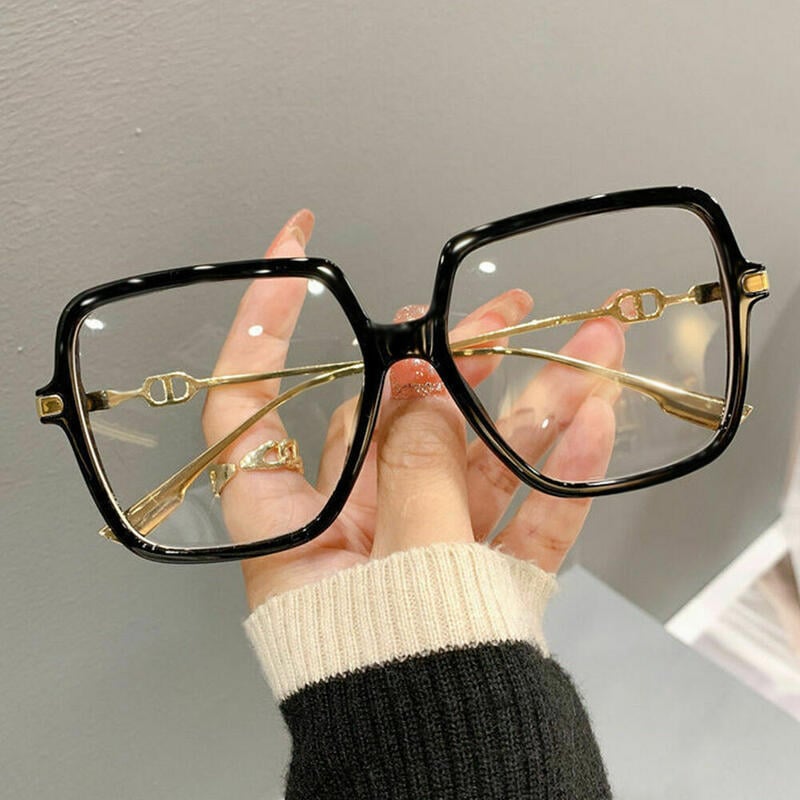
The short answer
Cheap prescription eyeglasses are worth it when the pair matches how you actually use glasses. If you rarely lose or break glasses and want one pair for years, spend your attention on fit and sturdy materials (the Keeper). If glasses go missing or you need them in several places, own two or three matching pairs (the Rotation). If your numbers or your taste change often, buy a simple pair and replace it on purpose (the Refresh).
The Three Ways to Own Glasses
These are working plans, not personality types. You can switch later, and plenty of people do when a new job, a move, or a new set of numbers changes their routine. The point is to buy for the plan you're on today, not the one you wish you were on.
The Keeper
One pair, kept for the long haul
- How it works
- You wear the same frame nearly every day for a long stretch and look after it.
- Fits you if
- You rarely misplace glasses, you like your look, and you'd rather not think about eyewear.
- Where cheap helps
- Money that would have gone to a logo can go to a backup that stays at home.
- The catch
- A Keeper only saves money if you actually keep it. A frame that pinches gets abandoned within a month, and then you've paid twice.
The Rotation
Two or three pairs, all in use
- How it works
- Pairs live in different places or get worn on different days. They share the same numbers and lens type.
- Fits you if
- You lose glasses, sit on them, or need them at home, at work and in the car at once.
- Where cheap helps
- A second and third pair stop being a luxury.
- The catch
- Pairs drift apart over time, with different numbers or a different fit, until switching between them feels off.
The Refresh
One simple pair, replaced on purpose
- How it works
- You buy one uncomplicated pair and replace it at each new exam or when it wears out, instead of nursing it along.
- Fits you if
- Your numbers changed recently, you like a new look, or you're hard on glasses.
- Where cheap helps
- Replacing a pair doesn't sting, so you actually do it on time.
- The catch
- "Simple" is the point. Spending on extras for a pair you plan to retire defeats the plan.
What about a main pair plus a spare? That's a Keeper with a safety net, not a fourth style. The spare should match the main pair's numbers and stay in one fixed spot, so it's there on the day you need it.
Four Signals That Point to Your Style
Answer each question based on the last two years, not your plans. With glasses, past habits are a far better guide than good intentions. Someone who has "definitely been more careful lately" usually loses the next pair right on schedule.
The Missing-and-Broken Count
How many pairs have you lost, broken, or sat on in the last two years?
- NoneKeeper
- One, and it was a flukeKeeperRotation
- Two or more, mostly lostRotation
- Two or more, mostly brokenRefresh
Losing glasses is a location problem: the pair isn't where you are. More pairs in more places fixes it. Breaking glasses is a handling problem. Sturdier materials and replacing without guilt fix that one, and more pairs won't help.
The Number Check
At your last eye exam, did the numbers on your paperwork change?
- No, same as beforeKeeperRotation
- Yes, they changedRefresh
- Not sure, or it's been a whileRefresh
A pair is only as current as the numbers inside it. If your numbers have been moving, a frame built to last five years buys time you can't use. If they've held steady, a longer-life frame or a full set of matching pairs makes sense.
The Same-Time Places
On a normal week, how many places do you need glasses in at the same time, so carrying one pair between them gets annoying?
- One. They go where I go.Keeper
- Two or more (desk, car, nightstand, gym bag)Rotation
This is the signal people underrate. If you've ever driven back home for your glasses, or squinted at a menu because they were in the other bag, one pair is working against you, however good it is.
The Look Itch
How often do you catch yourself wanting a different frame?
- Rarely. I like what I wear.Keeper
- Every season or soRefreshRotation
Wanting a new look isn't vanity. It's a predictable reason people stop wearing pairs that still work. A plan that expects it (a Refresh, or a Rotation in a few different colors) wastes less than pretending it won't happen.
Read your results
- Mostly Keeper chips: you're a Keeper. Put your effort into fit.
- Two or more Rotation chips: you're on a Rotation. Plan for matching pairs.
- A number change plus a look itch: you're on a Refresh. Keep it simple and set a trigger.
- A tie: pick the style that fixes your most expensive problem from the last two years. For most people, that's lost pairs.
Once you know your style, the catalog gets a lot smaller. On the Cheap Prescription Eyeglasses page, the size, material and feature filters let you shop for the plan instead of scrolling through everything.
Building a Keeper on a Budget
A Keeper pair has one job: disappear on your face so completely that you forget it's there. Style matters, but comfort is what decides whether you're still wearing it next year.
- Start from a pair that already fits. The inside of most temple arms lists three measurements. Compare them with a frame's product page before you fall for its color.
- Choose materials that handle daily wear. Titanium and steel stay light and keep their shape. TR90 flexes under everyday handling. Acetate gives the richest colors and can be warmed and adjusted to your face.
- Add the features that fix your old complaints. If past pairs slid down, filter for adjustable nose pads. If you take glasses off one-handed, a spring hinge forgives the habit.
- Pick a color you've owned before and never regretted. A Keeper isn't the place to test a bold new color. Save that for a second pair.
- Use Try On in real light. Check the frame by a window, not under a bright lamp, and look at it from the side as well as straight on.
- Give it a home every night. A case on the nightstand prevents more Keeper failures than any material does.
Building a Rotation That Doesn't Feel Like Three Different Pairs
A good Rotation feels like one pair that happens to be everywhere. A bad one feels like three slightly wrong pairs, each a little off in its own way. Six rules keep you on the right side of that line.
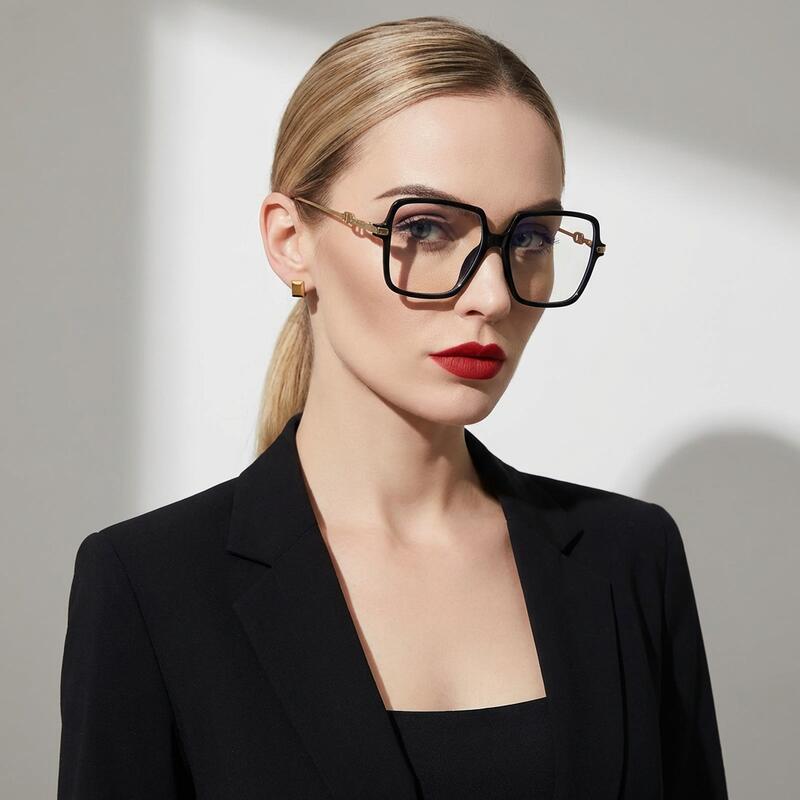
- Order from one set of numbers, ideally all at once. Pairs ordered months apart from different exams quietly end up with different numbers, and you won't notice until one feels blurry.
- Keep the lens type the same across the set. Switching every day between a one-focus pair and a near-and-far pair can feel unsettling. Matching lens types make switching effortless.
- Hold the fit steady and play with everything else. Keep the size and nose support similar. Change color, shape or material freely. Your face notices fit, and everyone else notices style.
- Give every pair a home. The car pair lives in the car and the desk pair lives at the desk. A Rotation where every pair ends up in the same bag is just a pile.
- Don't crown a favorite. If one pair gets all the wear, the others turn into forgotten spares that get scratched in drawers. Swap them around now and then.
- Replace the whole set when your numbers change. Updating only your favorite pair leaves the others out of date, and those are the pairs you'll grab in a hurry.
Building a Refresh Plan
The Refresh is the least romantic plan and often the smartest. You stop trying to make a pair last and treat it like something you replace on purpose.
Set your trigger before you buy
Decide now what will tell you it's time for the next pair. A good trigger is something you'll notice without thinking about it:
- Your next exam. New numbers mean a new pair. This is the cleanest trigger.
- Wear in the part you look through. Scratches near the edge are cosmetic. Scratches or haze in the middle of the lens are a reason to replace.
- A fit that won't stay put. If the frame keeps sliding back to crooked after being adjusted, it's done.
Keep the pair simple
Choose an everyday material and a shape you can wear anywhere, and skip extras you won't miss on a pair with a planned end date. The money you save is what makes the next refresh easy.
Make each refresh fix one thing
Before you order, write one line about what bugged you in the last pair: "slid down," "felt wide," "too dark for work." Then use the filters to fix exactly that. After a few refreshes, you'll know your ideal frame better than any style quiz could tell you.
Be honest about the old pair
If your numbers haven't changed, the retired pair makes a decent spare. If they have, it isn't a spare. It's a pair you'll grab on a bad day and wonder why everything looks soft.
When Cheap Isn't the Right Call
A low price fits most situations, but not all of them. Being straight about the exceptions is part of buying well.
- Your eye-care provider has given specific instructions about your lenses or asked to check the finished glasses. Follow those first.
- You've struggled to get used to near-and-far lenses before. Having measurements taken on your face, with someone to adjust the frame, can make a real difference.
- Off-the-shelf frames have never fit you, whether because of a very low nose bridge, unusually wide temples, or one ear sitting higher than the other, and you need hands-on adjustment more than a wide selection.
- Something feels wrong after you've given new glasses a fair try. Don't push through it. Check in with your eye-care provider.
Cheap Prescription Eyeglasses: Common Questions
How many pairs of prescription glasses should I own?
It depends on your ownership style. Keepers do well with one main pair plus an optional spare at home. Rotations usually need two or three matching pairs in the places you use them. Refreshers need one pair at a time. At the very least, consider a spare if losing your only pair would stop you from working or driving.
How often should I replace my glasses?
Replace them when something changes, not on a fixed calendar: when your numbers change, when wear affects the part of the lens you look through, or when the frame won't hold its fit. A Refresh plan makes this automatic by deciding the trigger before you buy.
Are cheap prescription eyeglasses worth it?
Yes, when the pair matches how you use glasses. A cheap pair that fits your plan, such as a well-chosen Keeper, a matching Rotation, or a simple Refresh, gives you better value than an expensive pair that ends up in a drawer because it pinched, went missing, or no longer matched your numbers.
Can I use the same numbers to order several pairs?
Yes, as long as the numbers are current. Order the pairs together if you can so they match exactly, and check the date on your exam paperwork, since prescriptions usually carry an expiration date.
Is it okay to switch between different glasses every day?
Usually, yes, when the pairs share the same numbers, the same lens type and a similar fit. Switching between different lens types can take some getting used to. If switching keeps feeling uncomfortable, talk to your eye-care provider.
What should I do with my old glasses?
If your numbers haven't changed, keep the old pair as a spare in a fixed spot. If they have, retire it. Many communities run eyeglass donation drives, so ask locally before throwing a pair away.
Know Your Style? Now Shopping Gets Simple.
Keeper, Rotation or Refresh, start with the frames that fit your plan. Browse Cheap Prescription Eyeglasses, filter by size, material and comfort features, and try frames on with your camera before you choose lenses.
About this guide: Written by the Aoolia Editorial Team to help shoppers plan budget eyewear purchases. It's general information, not medical advice. For questions about your eyes or your numbers, talk to your eye-care provider.