
Style, honestly
Cute Sunglasses Without the “Cute Tax”: What Each Look Costs You and How to Pay Less
The cutest pairs usually give something up: shade, coverage, grip or comfort. Here’s what each cute detail trades away, how to spot it before you buy, and how to keep the look anyway.
It’s 11 a.m. and the little round pair you just bought looks perfect in every photo. By 2 p.m. you’re squinting at the light coming in around the edges and pushing them back up your nose every few minutes. You find yourself wishing you’d grabbed the boring pair. Nothing is actually wrong with them. You just paid the cute tax.
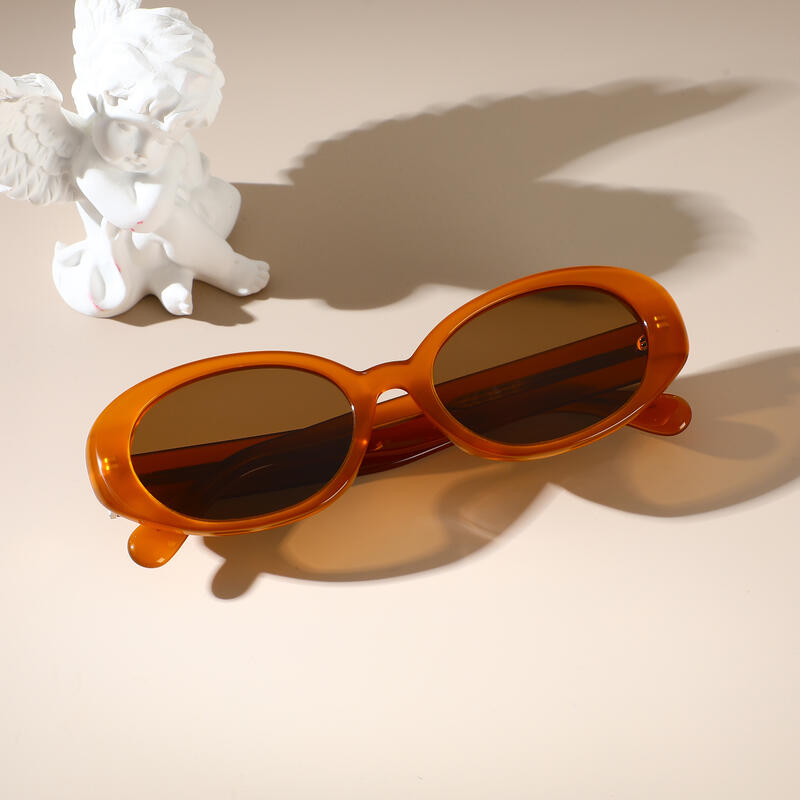
Most of what makes sunglasses look sweet pulls a little against what sunglasses are for: small scale, soft curves, light colors and decorated fronts. Sunglasses need to cover your eyes, cut brightness and stay where you put them. This guide won’t talk you out of cute. It shows you what each cute feature costs, so you can decide which costs are worth it. If you’d like to browse while you read, keep our Cute Sunglasses open in another tab.
The cute tax, defined
The cute tax is the practical trade-off that comes with a cute sunglasses feature. Small lenses give you less coverage, light or gradient tints give you less shade, heavy fronts slide more, and clear frames let side light through. Each feature has its own tax, and most of them can be lowered without losing the look.
The short version
- Tiny round lenses cost coverage. Go a few millimeters wider and keep the shape.
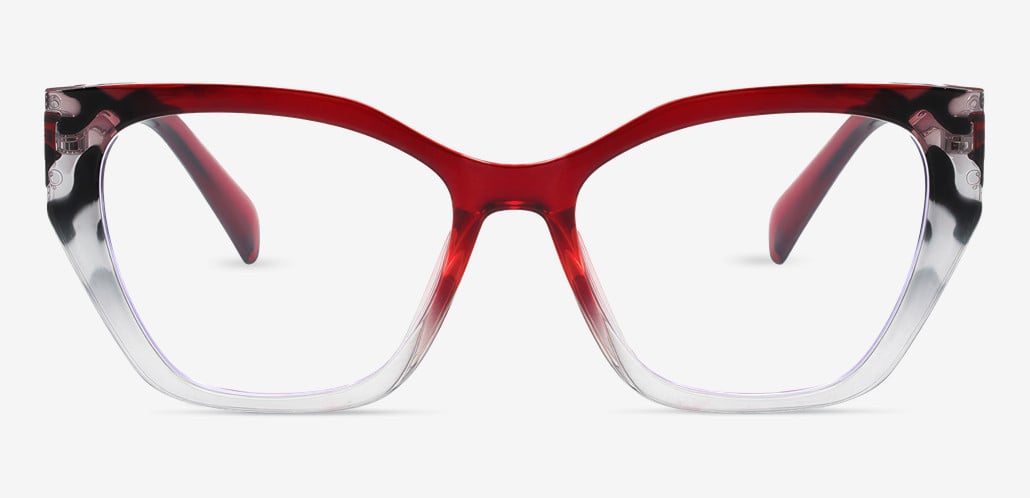
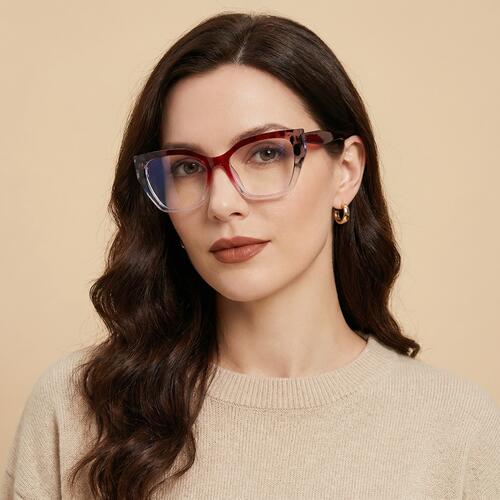
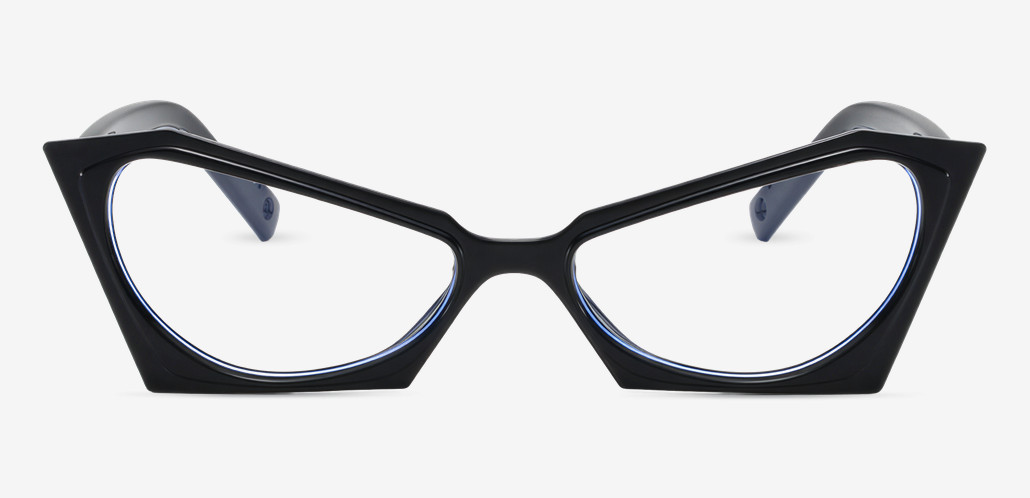
- Sharp cat-eye flicks can leave the inner, lower part of the lens shallow. A softer lift keeps the flirt and adds depth.
- Pastel and light lenses cost darkness. Keep the pastel in the frame and pick a darker lens for bright days.
- Gradient lenses cost shade at the bottom, which is exactly where water, sand and pavement bounce light up at you.
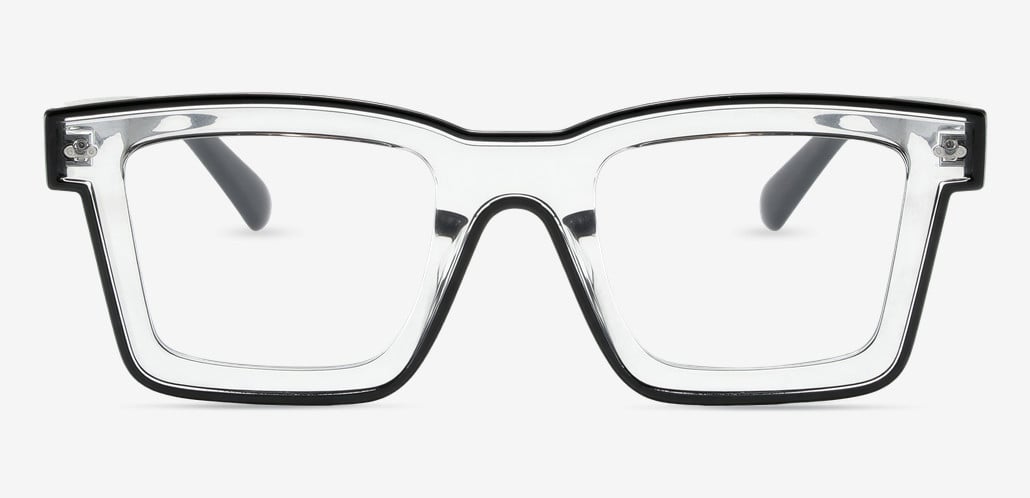
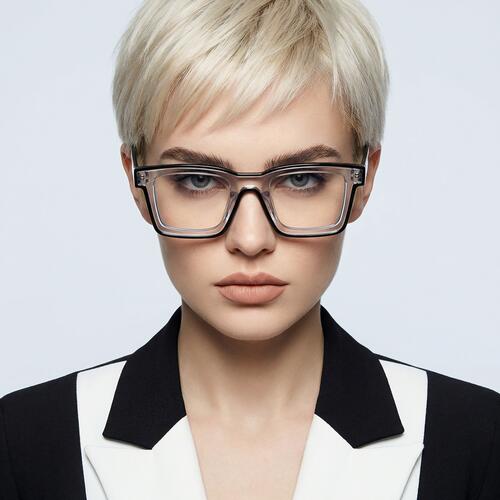
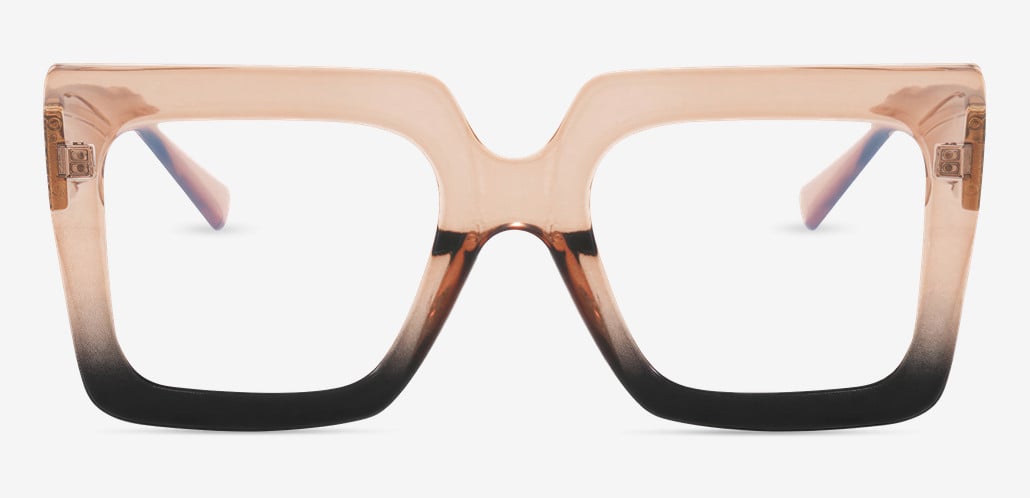
- Clear “candy” frames let side light pass through the rim itself.
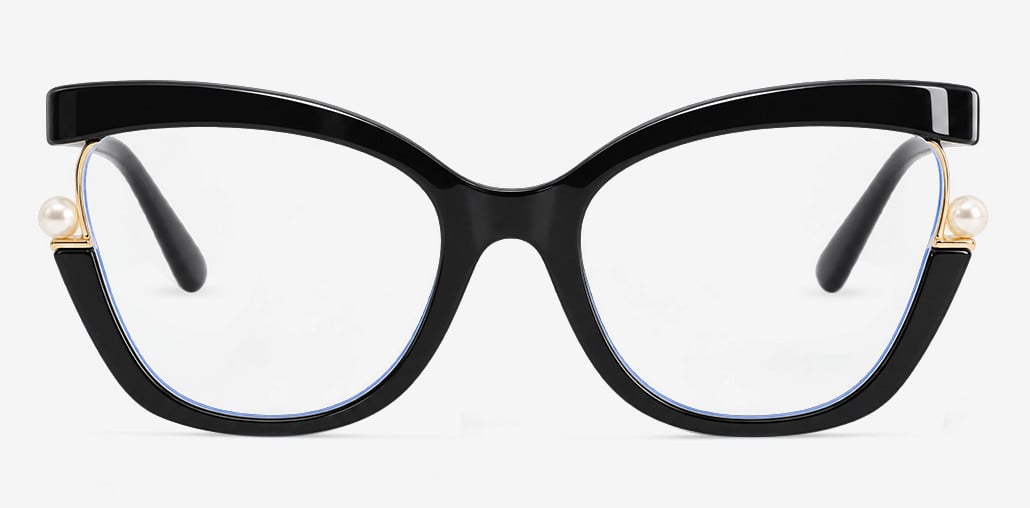
- Chunky or decorated fronts cost grip. Lighter materials and adjustable nose pads win it back.
- UV filtering isn’t part of the tax. A UV400 lens filters the same way in a cute frame as in a plain one.
Why cute and shade pull in opposite directions
Cuteness comes from proportion. Smaller frames, rounder lines, lifted corners and lighter colors make a face look softer and more open. Sunglasses work through almost the opposite traits. They need enough lens to cover your eye from several angles, enough tint to cut brightness, and a fit that keeps the lens in front of your eyes.
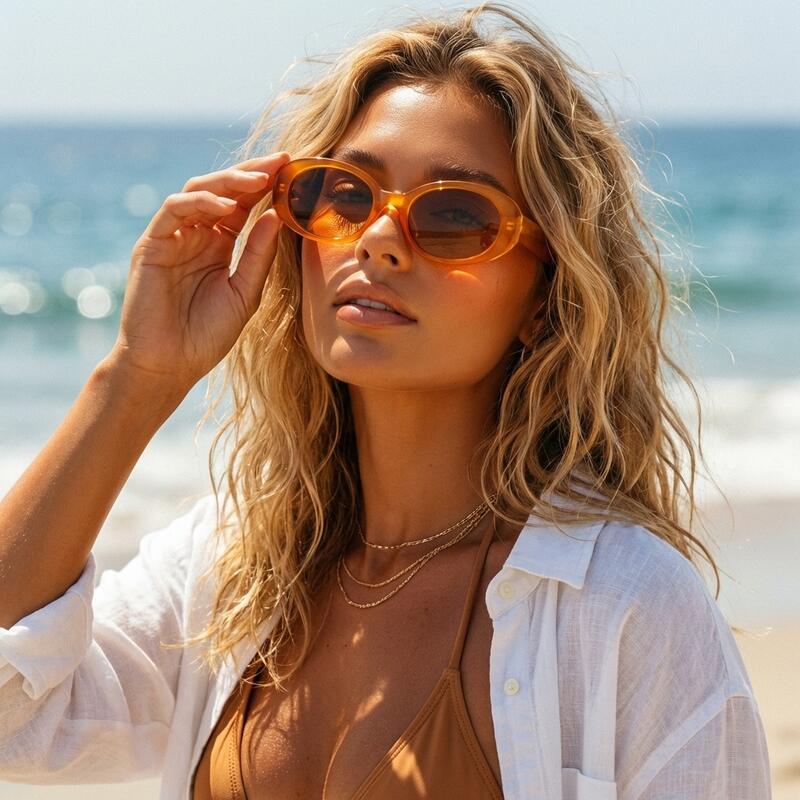
That doesn’t make cute sunglasses worse sunglasses. Each cute detail pushes down one of three things: coverage, darkness or fit. You can make up for it by pushing up one of the other two. A small round frame with a dark, solid lens can be a great all-day pair. Put a pale pink gradient in the same frame and it becomes a brunch pair. Both are cute, but only one is built for an afternoon on the boardwalk.
The Cute Tax Sheet: six cute features and what each one costs
Each card shows what you get, what you give up, how to spot the issue on a product page before you buy, and the easiest way to pay less.
Tiny round lenses
Coverage tax
Tax level: high
You getThe sweetest, most retro look, and a frame that feels light on your face.
It costsLight gets in around the edges, from above, below and the sides. On bright days part of your view is shaded and part isn’t, so you end up squinting at the gaps.
Spot itThe first number in a frame size, like the 47 in 47□20-140, is the lens width in millimeters. Round lenses under about 50 mm are on the small side for most adult faces.
Pay lessKeep the round shape but go up to roughly 50–53 mm. Or choose a round frame whose top rim sits close to your brows, so less light gets in over the top.
Sharp cat-eye flick
Depth tax
Tax level: medium
You getThe lift, the attitude, the most “done” look of any cute shape.
It costsAll the drama sits in the upper outer corner. On sharp flicks the lens often narrows toward the nose and along the bottom, so light gets in from below and from the inner side.
Spot itIn the front product photo, compare the depth of the lens near the nose with the height at the outer corner. If the bottom edge climbs steeply toward the bridge, expect a shallow inner corner.
Pay lessPick a soft or “kitten” lift with a fuller lower rim. You keep the upturn and lose only the sharpest part of the point.
Pastel and light-tint lenses
Darkness tax
Tax level: high on bright days
You getRosy, honey, lilac or seafoam lenses that let people see your eyes, and a soft, warm view of the world.
It costsLight tints let more light through. In midday sun, at the pool or on the beach, a pale lens leaves you squinting.
Spot itLook for the filter category or the visible light transmission (VLT) on the product page. If neither is listed, check the photo: if you can clearly see the model’s eyes through the lens, it’s a light tint.
Pay lessKeep the pastel in the frame and choose a darker gray, brown or green lens. Save the pastel lens for overcast days, shade and evenings.
Gradient lenses
Bottom-shade tax
Tax level: medium
You getA dark-to-light fade that looks polished in photos and lets you read your phone or dashboard through the lighter lower half.
It costsThe bottom of the lens is the lightest part. That’s where reflected light comes from on a beach, a boat, snow or a white concrete plaza.
Spot itListings usually say “gradient” or “faded.” In photos, the lower third looks clearly lighter.
Pay lessWear gradients in the city and in the car, and switch to a solid lens on water, sand and snow days.
Clear “candy” frames
Edge-glow tax
Tax level: low
You getJelly pink, clear peach or crystal frames that look light and fresh.
It costsA transparent rim lets light pass through the frame itself. When the sun is off to one side, you may notice a glow at the edge of your vision.
Spot itColor names with “transparent,” “crystal” or “clear” in them.
Pay lessChoose a tinted transparent over a water-clear one. The deeper the tint in the frame, the less glow you get.
Chunky and decorated fronts
Slide tax
Tax level: medium
You getThick acetate, bold color and statement detail that looks great in photos.
It costsThe weight sits at the front, so the frame tips forward and slides down your nose. This is worse on frames without nose pads and on a low or narrow nose bridge. Once they slide, the top of your eyes is uncovered too, so you pay the coverage tax as well.
Spot itCheck the material and whether the frame has nose pads. Acetate is solid and substantial. TR90 is a lightweight, flexible plastic.
Pay lessLook for TR90 or slimmer acetate, or adjustable nose pads, which let the frame sit higher and grip better.
How dark is “dark enough”? The five filter categories
Sunglass lenses are graded into five filter categories by how much visible light they let through. This is the scale behind the darkness tax.
Many pale fashion tints sit in category 1 or the light end of category 2. Category 2 and 3 cover most bright-day wear. Category 4 lenses are very dark and are labeled as not suitable for driving.
Find your cute tax bracket in four questions
Not everyone pays the same rate. Answer each question with a simple yes or no, then count your yeses.
-
Will you wear them outside for more than about two hours at a time?
If yes, avoid the coverage and darkness taxes.
-
Will you be near water, sand, snow or bright pavement?
If yes, avoid the bottom-shade and darkness taxes.
-
Will you drive in them?
If yes, skip category 4 lenses, which are labeled as not suitable for driving.
-
Do sunglasses usually slide down your nose or feel too wide on your face?
If yes, fix the slide tax first. It makes every other tax worse.
0–1 yes
Light bracket
Photo days, brunch, short walks or a second pair. Pay any cute tax you like: tiny lenses, pastel tints, sharp flicks. This bracket is where cute gets to be pure fun.
2 yes
Middle bracket
Pick one cute feature that carries a tax, and make sure it isn’t one your yeses flagged. Spending an afternoon at the lake? Keep the cat-eye frame and choose a solid, darker lens.
3–4 yes
Full bracket
Put the cute into shape and color, and keep the lens and fit doing the hard work. That means lenses around 50 mm or wider, a solid category 2–3 tint, and a lighter material or nose pads.
When paying the cute tax is the right call
The cute tax is only a problem when you pay it without noticing. Plenty of times it’s a fair trade:
- Overcast days and shady plans. When the light is soft, a pale pastel lens is all you need, and it lets people see your eyes.
- Photo-first days. A birthday lunch, a bachelorette brunch, an outfit you want to remember. You’ll wear them for minutes, not hours.
- A second pair. If you already own a pair that does the hard work, your cute pair can just be fun.
- Patios, umbrellas and tree-lined streets. When most of your day is in shade, coverage matters less.
Where we’d draw the line: a pale pastel pair for a full day on the water, or a heavy front that keeps sliding on a long drive. Those are the two situations where the tax stops being a style choice and starts making your day harder.
Five cute combinations that keep the tax low
These pairings hold on to what makes a pair look cute while cutting the cost. Use them as a shopping list when you browse Cute Sunglasses.
1
Soft cat eye + solid brown lens
The lift still reads clearly. The fuller lower rim and solid tint do the work a sharp flick and pale lens can’t.
2
Round at 50 mm or wider, in tortoise
Still round, still retro, just big enough to cover your eyes properly. Tortoise keeps it warm and easy to wear with anything.
3
Pastel frame + dark gray lens
People see the candy color on the frame. You see the world through a lens that’s actually dark enough for the beach.
4
Oversized oval + gradient lens
Soft and a little glam. The big lens covers the coverage tax, and the gradient keeps your phone readable. Swap to a solid lens for sand and water.
5
Lightweight frame with nose pads, in a bright color
The color carries the fun. The lighter build and pads keep the frame up where it belongs, which matters most on smaller faces and low nose bridges.
Check the fit taxes before you order
Two of the six taxes, coverage and slide, depend on how a frame sits on your face. You can check both with Virtual Try-On before you order. Tap Try On on the product page and look for two things:
Does the lens reach past your outer eye corners?If it stops right at or inside the corner, light will wrap in from the side. Try the next lens width up.
Is the frame about as wide as your face at the temples?Much wider tends to slide and gap. Narrower tends to pinch. Close to your face width is the target.
Cute sunglasses FAQ
Do cute sunglasses filter less UV than regular sunglasses?
Not when it comes to UV. UV filtering comes from the lens, not the style of the frame, so a UV400 lens works the same way in a tiny cat eye as in a plain square frame. What changes with cute features is coverage (how much light gets around the lens) and darkness (how much visible light the tint lets through). Darkness and UV filtering are separate things: a pale lens can filter UV, and a dark lens doesn’t automatically filter it.
What are the most practical cute sunglasses?
A soft cat eye or a round frame around 50 mm or wider, with a solid gray or brown lens in category 2 or 3. You get a cute shape with very little tax.
Why do my cute sunglasses keep sliding down?
Usually it’s weight at the front combined with a bridge that doesn’t grip your nose. Lighter materials like TR90, slimmer fronts and adjustable nose pads all help the frame sit higher and stay put.
Are pink-lens sunglasses good for bright sun?
Pale pink lenses are usually light tints, so they suit overcast days, shade and evenings best. For bright sun, choose a deeper rose-brown lens, or put the pink in the frame and wear a darker lens.
Can cute sunglasses work for the beach?
Yes, as long as the lens is solid and dark enough and the frame covers your eyes well. A pastel or tinted clear frame with a dark, solid lens is the easiest beach-ready cute combination.
Do small faces need tiny sunglasses to look cute?
No. A frame that’s too big is usually a problem of total frame width and bridge fit, not lens size. A narrower overall frame with a lens that’s still deep enough looks proportional and avoids the coverage tax.
The bottom line
Cute is a feature, not a flaw. You don’t need the plainest pair that does the job. You need to know which cute detail you’re paying for, and pay for it on purpose. Pick the look you love and check it against your bracket. Then adjust one thing until the trade feels fair: the lens, a few millimeters of width, or the material.
When you’re ready, browse our Cute Sunglasses and use Try On to see how each pair sits before you buy.
How we put this guide together: The Aoolia editorial team wrote this guide. The lens darkness ranges follow the five sunglass filter categories set out in the international sunglass standard ISO 12312-1. Frame sizes follow the standard markings printed on most frames: lens width, bridge width and temple length, in millimeters. Every trade-off described here can be explained from those two references and basic lens geometry.